Friday, May 25, 2012

Summer Project: Create an Outdoor Room

When creating your outdoor room, keep in mind that many things can be defined as an outdoor room. For some an outdoor room is an attached, screened-in porch, to others an elaborate gazebo, or just a lovely landscaped area with some seating.

Photo by hortulus
First you will want to define your space. Decide what type of activities will take place there, as this will help you decide how big or small it needs to be. Do you want to grill out, have dinner parties, or just enjoy coffee and nice book? If your room is going to be a screened in porch, gazebo, or other built structure, be sure to follow any local building codes and discuss what you want to use the area for with whomever is building it.

The flooring for your outdoor room will vary if you are using a landscaped area, you can use decking, stone, or concrete flooring. Some people have grass floors, however, this makes it feel less like a room. For the room effect it is recommended that you use some sort of flooring. I have even seen people use pavers and other walkway type material to create the floor for their outdoor room.

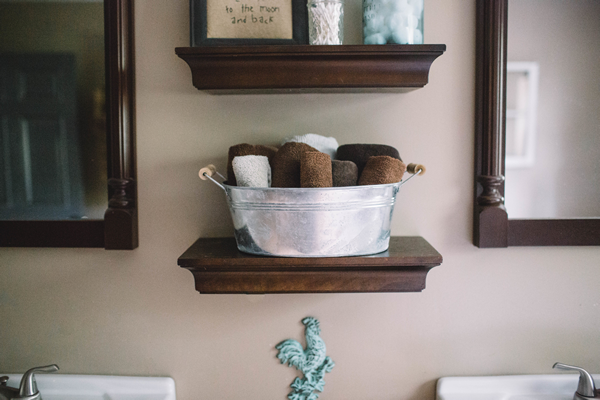
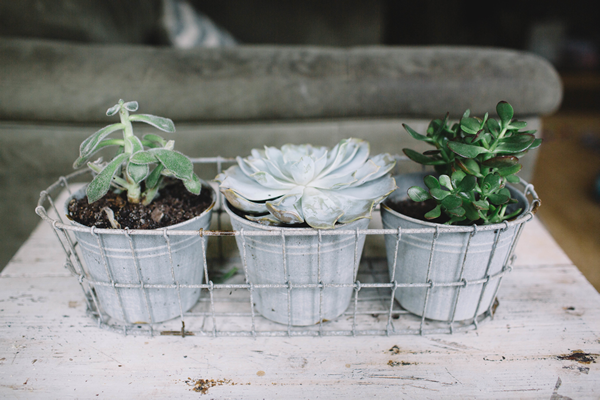
The landscaping of your outdoor room will vary depending upon what grows well in your area and what you prefer. Some people like to create their outdoor space with trees and large flower containers. The container plants allow for "redecorating" of the outdoor area. Also the colors of the containers add some decor to your room. I personally love using wash tubs for planting my flowers in. Just carefully drill some holes in the bottom for excess water to drain out, fill the bottom 2-3 inches with gravel, then put in your dirt and plant your flower of choice.

Outdoor furniture is also a great addition to your outdoor room. Furniture that is made for outdoors will last longer than furniture that is not. There are even outdoor rugs that can make a huge impact on your space. Decide how many people you plan on entertaining in your area and choose the amount and size of your furniture accordingly. Will you have meals there? Then you will want some sort of a table. An outdoor storage bench is also a great idea so that you have a place to store tools, or perhaps decor that you use at outdoor gatherings that you don't want carried off or blown away.

We can't wait to hear about your progress on your outdoor room! For more projects and news from Red Hill General Store please follow/subscribe to our blog!

Monday, May 14, 2012

Spring/Summer Project: Install a Clothesline

If you have the space in your yard for a clothesline, you can save some money during warm sunny spring and summer days by hanging your clothes out to dry. So let's get started on putting up that clothesline.

The most common clothesline, the pole-to-pole clothesline, is the one that we will discuss installing today:

Materials needed:
Clothesline Poles (ready-made)
Concrete Mix
Rope/String
Clothesline
Tape Measure
Chalk
Post-hole Digger
Level
Stake

Directions:
First choose the location for your clothesline, it is best to choose a location where your clothing will get direct sunlight, this will help them to dry faster. Also be sure to keep your clothesline out from under areas where birds like to perch or nest, as you don't want a bird mess on your clean clothes.

Now you are ready to dig your holes, but you should first call your utility companies to be sure you aren't going to disturb any underground wires or pipes. When digging your holes you will want to make your holes about 12"-18" deep and 12" wide. The bottom of your hole should be slightly wider than the top. This comes in handy when the dirt settles. Also keep in mind that the pole height can vary, most poles are between 6' and 7.5' in height.

Okay, now we are ready to install the posts into the holes.  You will need to fill about 1/3 of each hole with concrete mix, add some water, then place each post into its hole. Fill the rest of the hole with concrete. Using your stakes and rope/string, be sure the post is held in a level position while the concrete sets (this will take about a day). Be sure to use your level to see which direction the post needs to be held in.

Take your clothesline, and tie one end to the T on one of your posts, then string it across to the other post and tie it on the T there as well.


For more clothesline tips visit:
TruValue Projects: Install a Clothesline

Monday, May 7, 2012

Spring/Summer Project: Spring Cleaning Checklist

For some, spring cleaning seems like a huge looming task. For others it is the highlight of the season, a time to open the windows, let the fresh air travel through their home while they tidy it up. Here is a helpful checklist for your spring cleaning endeavors?

  • Grab a feather duster, clear everything off of your shelves (books, knick knacks, etc.) and dust them off as well as you can. Also this is a great time to dust all the hard to reach areas in your home such as ceiling fans, corners on the ceiling, the tops of tall appliances and top cabinets.
  • Get out your vacuum cleaner and using the attachments get rid of stubborn dust on shelves and walls before wiping them down with a cloth and the cleaner of your choice.
  • Using a metal polish clean the metal hardware on your windows, doors, and even knobs on cabinets and furniture that are metal.
  • Take out your window screens (if they are removable) and give them a good washing. Warm water and a mild dish-washing soap is sufficient for this job. Use a brush to wash and then rinse the window screens.
  • Check your curtains and drapes to see if they are machine washable, if so wash them according to instructions to remove all the dust and debris that they collect throughout the year. Wipe down blinds with a damp cloth. Have any drapes that are not machine washable dry cleaned.
  • The last step in your cleaning routine should be vacuuming and shampooing your carpet. (This is so that you won't redirty the floor when you are dusting, etc.)
For some more great spring cleaning tips visit: Martha Stewart's Spring Cleaning Checklist.

Monday, April 30, 2012

Spring/Summer Project: Fence Repair

Fence repair varies on what type of fence you own. Depending on your fence will determine what tools and materials you will need to use.


Repairs for Wooden Fences:
When repairing a wooden fence you will need a few basic tools such as: a hammer, nails, and if your fence is stained or painted you will need a paint/stain brush and the paint or stain that matches your fence. If you have posts that need to be replaced, you will also want to include a post hole digger and other such supplies on your list.

Checking posts: Be sure to check the posts that are loose for rot. If they are not rotted and are only loose then you should be able to reinforce them with fencing material. To check for rot, scrap some dirt off the bottom of the post, then using a screwdriver poke the post, if the wood gives away then there is rot present in the wood and the post will need to be replaced.

Replacing posts: If you do not want to leave an open area on your fence, be sure you have brought the replacement post with you. Remove the fence from both sides of the post that needs to be replaced, take out the old post, install the new one, stabilize it and attach the fence to your new post.

Repairs for Fence Wire:
Fence wire can loosen up over the years, due to stretching from wind and other elements of nature. To make the task of tightening your fence easier you can use a tool that is made just for this job, it is called a fence splicer.

When fence wire has a break in it, you will want to splice in about 2 feet of new fence wire so that you have enough wire to loop the ends of the broken section and then pull it tight.

If you are building a fence we have fence tools, pet fence supplies, and supplies for electrical fences.


Monday, April 23, 2012

Spring/Summer Project: Staining Decks

First, staining a wood deck is a very important step in protecting the wood and allowing your deck to last longer. Once you have stained it initially, your wood deck will need to be stained roughly every two years. Whether you will need to stain it sooner or can wait a bit will depend on sun exposure, climate, and how the weather has been in your area.

How can you tell if it is time to seal your deck?

There is a simple water test that you can do. Sprinkle some water on your deck. If it beads up then your deck can wait, however, if the water is quickly absorbed into the wood, then your deck needs to be stained.

Before staining your deck, you will want to clean it, as you do not want to trap dirt, mildew, other things against the wood, as this can damage your deck.

To clean  your deck you will first want to clear any objects off the deck, the sweep off dirt and debris and be sure to clean between the cracks of the boards. If you notice any rough spots or splintered areas on your deck go ahead and sand those down with 80 grit-sand paper before sweeping. Next you will want to get some deck cleaner, be sure you read the instructions, some cleaners can be used with garden sprayers, others will need to be applied with a paint roller or other method. Also take precautions to protect any exposed plants around your deck, as the cleaner could damage them.

Follow the instructions on your deck cleaner to finish the cleaning process.

Now you will need allow your deck to dry for about 2 days. During this time you may want to go ahead and choose the stain or sealer that you will be using. When choosing a stain or sealer be sure to choose one that is designed to repel water, resist mildew, and prevent fading. You can choose between oil based and water based stains. However, keep in mind that oil based finishes require less upkeep than water based finishes.

How to apply your stain or sealer: (below from: http://www.lowes.com/cd_Clean+and+Seal+Your+Deck_769999013_?x=0&y=0&firstReferURL=http%3A%2F%2Fwww.lowes.com%2Fcd_Clean%2Band%2BSeal%2BYour%2BDeck)
When applying a sealer or stain, always read the manufacturer's directions. Drying times differ based on air temperature and humidity. Before you start, check the boards for needed repairs such as split boards or popped-up nails.

Wear rubber gloves, close-toed shoes, a long-sleeved shirt and pants when applying finish or cleaner to minimize the chance of skin irritation. Also, wear safety glasses to protect your eyes from back spray.
  1. Check the weather. Try to find at least two days of dry weather with temperatures between 50°F and 90°F.
  2. Remove all deck furniture and plants.
  3. Sand all grade stamps, marks, and splintered areas. The entire deck may require sanding with a pole sander or palm sander to speed up the process. Sand in the direction of the grain. Be sure to wear a safety mask so you won't inhale the sawdust.
  4. Sweep off loose debris and clean between the cracks. Make sure the deck is dry.
  5. Cover plants and shrubs with clear plastic.
  6. Stir the sealer or stain thoroughly. Don't shake sealer. Bubbles will form in the finish.
  7. Apply a thin, even coat of sealer or stain over a two- to three-board section with a paint roller with an extension handle or a sprayer. Two thin coats are better than one thick coat that doesn't properly adhere or dry.
    Don't allow the finish to puddle. To speed up the process, one person can apply the stain or sealer and another person can use a roller or broom to spread puddles and to work the finish into the wood, a process known as back-rolling.
  8. Repeat the above process for the entire deck. Use a paintbrush to apply the sealer / stain in corners and other difficult areas, such as steps, railings, end grain and cracks. A second coat is optional.
  9. Allow the deck to dry completely.
  10. Before disposing of rags, spread them out to dry completely. Heat generated from evaporating finish on a pile of rags can start a flash fire. If you're using latex stain, clean equipment with soapy water. If you're using oil-based sealers, clean with paint thinner or mineral spirits.
  11. Rinse the plastic covering the plants with a hose and remove it.
TIPS:

  • Don't apply deck product in direct sun. The finish will dry too quickly and won't absorb into the wood.
  • Use the water test to check your deck every few months to ensure the sealer is repelling water.
  • Regularly sweep off debris.

Related Posts Plugin for WordPress, Blogger...

Bookmark It: